Healing From the Inside Out
.jpg)
For many people on a healing or spiritual path, there comes a moment of exhaustion. You may have done years of insight work, meditation, therapy, or nervous system practices—and still feel dysregulated, overwhelmed, or disconnected. Or you may have been told that healing requires letting go of the self, transcending the body, or pushing through discomfort.
What if healing doesn’t require bypassing any part of you?
What if healing is not about choosing between spirituality, psychology, or neuroscience—but integrating all three in a way that honors your nervous system, your inner world, and your soul?
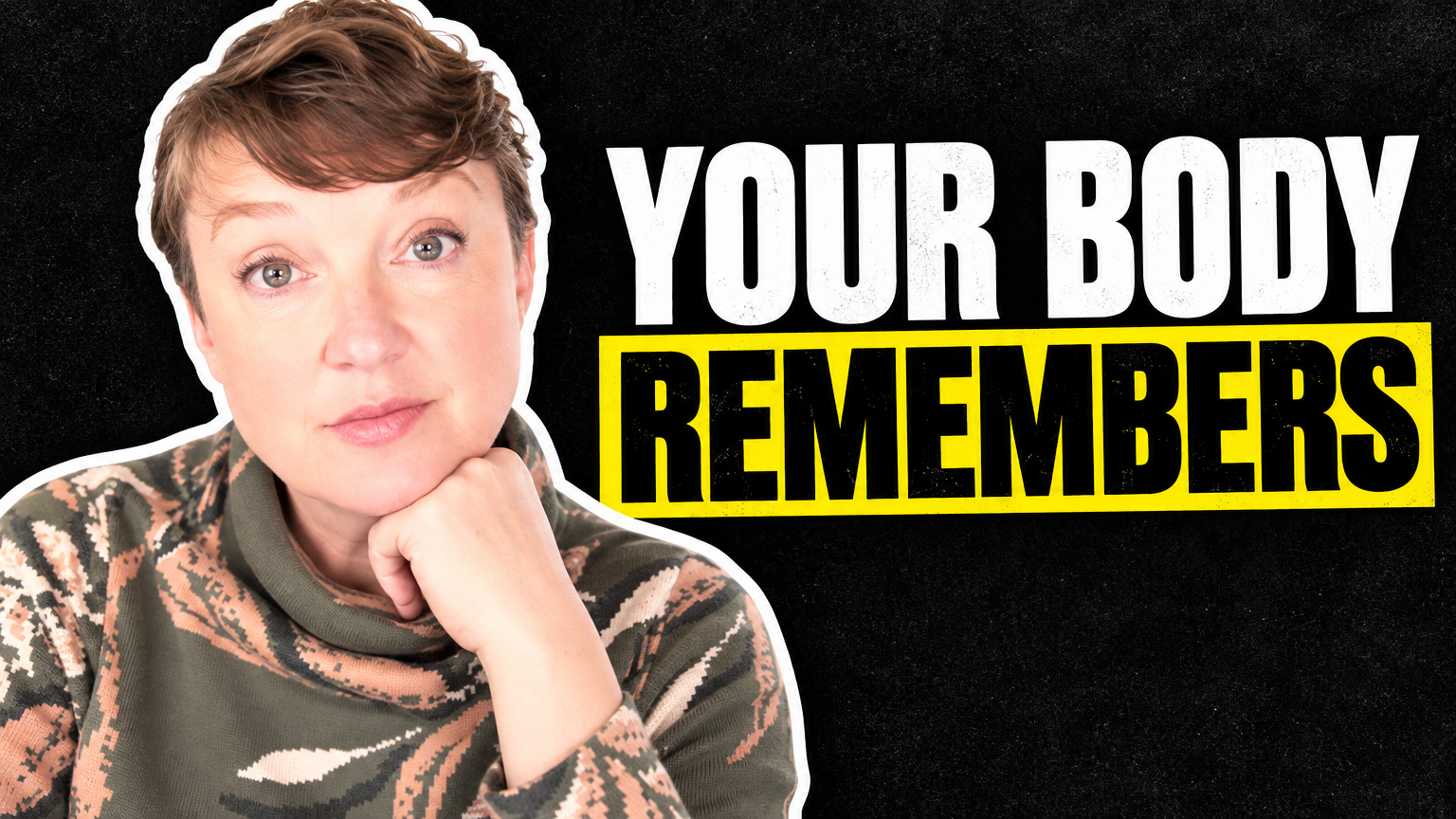
This is the foundation of my work at Blossoming Heart Wellness and the framework I share in my video The Divine Within: Healing Ourselves From the Inside Out. This approach is trauma-informed, embodied, and rooted in lived experience—not hierarchy, pressure, or spiritual bypassing.
Below, I’ll walk you through the core pillars of this healing model, why it’s different from many conventional approaches, and how to know whether it may be right for you.
Why Integration Matters in Healing
Many healing models focus on a single dimension:
- Spiritual teachings emphasize presence, transcendence, or awareness
- Psychological models focus on insight, behavior, and emotional processing
- Neuroscience-based approaches emphasize regulation and safety
Each of these holds truth—but when practiced in isolation, they often fall short.
Without nervous system safety, insight cannot integrate.
Without psychological understanding, spiritual practices can become bypassing.
Without spiritual meaning, healing can feel mechanical or incomplete.
A trauma-informed approach recognizes that the mind, body, and spirit are not separate systems. Healing occurs when they are in relationship with one another.
Pillar One: Your Relationship With Yourself Is Primary
The foundation of healing is not transcendence—it is internal safety.
From a neuroscience perspective, the nervous system can only regulate when it feels safe inside the body. From a psychological perspective, your inner parts—protective, vulnerable, and adaptive—need acknowledgment and care. Spiritually, your heart and inner wisdom are accessed through presence and trust, not abandonment of the self.
When your internal relationship is secure:
- Boundaries feel natural rather than defensive
- Decisions become clearer
- Your presence in relationships becomes more stable and grounded
This differs from approaches that emphasize “letting go of the self” prematurely. In trauma-informed healing, the self is not bypassed—it is integrated.
Pillar Two: Thoughts, Emotions, and Sensations Are Signals, Not Dictators
Your thoughts and emotions are not enemies, nor are they absolute truth.
Psychologically, they are often signals of unmet needs, protective strategies, or past learning shaped by trauma or lived experience. Neuroscience shows that ignored or suppressed signals keep stress pathways activated. Spiritually, these signals point toward deeper alignment, safety, and truth.
Rather than detaching from thoughts or being ruled by them, this approach teaches:
- Listening with curiosity
- Responding with loving containment
- Choosing action from awareness rather than reactivity
This is how self-agency develops—not by silencing inner experience, but by understanding it.
Pillar Three: Boundaries Enable Authentic Connection
Boundaries are often misunderstood as walls, withdrawal, or ego.
In reality, boundaries are relational frameworks that allow you to engage with others without giving yourself away.
- Neuroscience shows boundaries reduce chronic stress and increase autonomy
- Psychology shows they build internal trust and coherence
- Spiritually, boundaries honor your inherent worth and dignity
Many spiritual teachings skip boundaries altogether, framing them as separation. Trauma-informed healing recognizes that clear boundaries are essential for sustainable connection, not obstacles to it.
Pillar Four: Healing Must Be Somatic, Not Just Cognitive
Healing does not happen through insight alone.
The body holds trauma, stress, and adaptive patterns. Even when the mind understands, the nervous system may still react. Integration requires embodied experience, not just observation or discussion.
Through somatic practices, reflection, creativity, movement, and mindful awareness, the nervous system learns safety and alignment in real time. This is where lasting change occurs—not through force, but through experience.
Pillar Five: Healing Is Rhythmic, Not Linear
Healing does not follow a straight line.
It unfolds in cycles and rhythms, guided by nervous system capacity. Deep work does not need to be constant or intense to be effective. In fact, pacing and containment are essential.
Trauma-informed healing honors:
- Small, consistent practices
- Rest and integration
- Timing that respects your system’s limits
This stands in contrast to models that push constant processing, urgency, or quick transformation. Healing is not a race—it is a relationship.
Pillar Six: Your Inner World Shapes Your Outer World
When your internal system becomes more secure, your outer life naturally changes.
Relationships shift. Boundaries clarify. Patterns of over-giving or self-abandonment soften. When relationships are no longer healthy, you gain the clarity to step back without collapse or guilt.
Spiritually, this is the ripple effect of integration. Psychologically and biologically, it reduces reactivity and chronic stress. This approach doesn’t just help you cope—it supports relational and systemic change through embodied presence.
Why Lived Experience Matters
This framework was not created from theory alone.
I developed it through my own lived experience of growing up in a complex, emotionally challenging environment and navigating significant mental health challenges. I’ve practiced these tools in real life—while activated, overwhelmed, and unsure—and refined them through both personal healing and professional practice.
I teach alongside, not above.
In addition to lived experience, my work is informed by:
- Over a decade as a licensed mental health therapist
- Training in trauma-informed care and yoga therapy
- Internal Family Systems (parts work)
- Mindfulness and somatic practices
- Reiki, spiritual channeling, and shamanic traditions
This integration allows me to support healing without hierarchy, pressure, or bypassing—meeting people where they are, at the pace their nervous system can tolerate.
Who This Approach Is For
You may resonate with this work if:
- You feel chronically activated, flooded, or overwhelmed
- You want to integrate spirituality with psychology and neuroscience
- You’re seeking healing that is sustainable, embodied, and ethical
- You want boundaries without guilt and depth without collapse
If your system is already highly stable and you’re seeking purely observational or transcendental practices, more traditional mindfulness approaches may be sufficient. This work is for those who need containment, safety, and integration, not just awareness.
A Simple Place to Begin
Today, try asking yourself:
- Do I need containment or engagement right now?
- Can I meet this experience with kindness, even if I choose to step back?
Healing begins not with effort, but with relationship.
Continuing the Journey
This framework is explored more deeply in my book,
The Divine Within: Healing Ourselves to Heal the World,
available through Amazon, Barnes & Noble, Powell’s Books, and Walmart.
You can also explore courses and teachings at
www.blossomingheartwellness.com
Healing doesn’t just happen inside—it ripples outward.
When your inner relationship becomes secure, loving, and grounded, your life naturally begins to reflect that truth.
You don’t need to become someone else to heal.
You need to come home to yourself.
About The Author
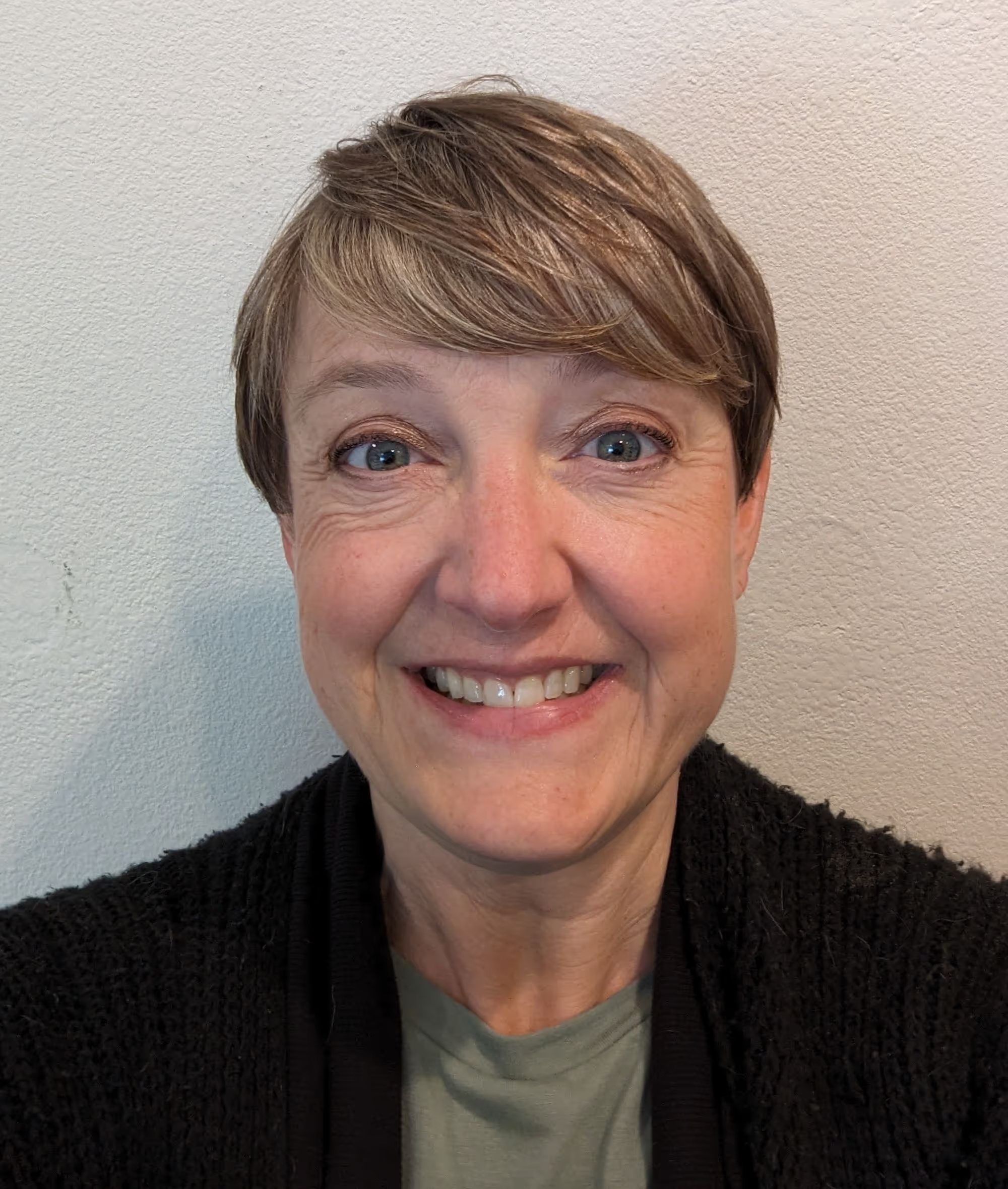
Allison Batty-Capps is a consciousness catalyst, spiritual teacher, and transmitter of Divine Human embodiment. She is a licensed mental health therapist, Reiki Master, Yoga Coach and spiritual channeler. She works at the intersection of psychology, mysticism, shadow alchemy, and God-consciousness, offering teachings that unify the human and the divine.
Her work is not about healing people — it is about awakening them.
Her presence carries a frequency that reminds others of their inherent sovereignty, their inner wisdom, and their direct connection to the Divine.
Through her books, teachings, sessions, and transmissions, Allison guides people into the maturity of spiritual adulthood — where compassion meets boundaries, love meets truth, and the soul meets the body.
She is devoted to helping humanity evolve beyond fear, beyond hierarchy, and beyond old paradigms of spirituality into a new era of embodied consciousness.
Allison lives what she teaches.
Her life reveals what unfolds when a person remembers they are not alone or separate, but a wave formed from the infinite ocean of God’s consciousness.
Join the Community!
Receive wellness tips, resources, book updates, and more directly in your inbox!
Related Posts
.png)
The Myth of Consent
.png)
What If Our Political Divisions Reflect Our Unhealed Relationship Patterns?