Who Am I Beyond the Pain?
By Allison Batty-Capps | Blossoming Heart Wellness
What happens when you've spent so much of your life trying to understand and heal your trauma that you eventually begin asking a different question?
Not just, How do I heal from what happened to me?
But, Who do I want to be now that I understand how my experiences shaped me?
This is a question I've been exploring through my own journey of trauma healing, spirituality, and self-discovery, as well as my experiences as an actor, singer, and psychotherapist.
And I've come to recognize something important about my own life: There is no version of me untouched by trauma that I can simply return to.
My identity developed alongside my experiences. It was shaped by the ways I learned to navigate relationships, find connection, express myself, and survive.
For me, healing isn't necessarily about recovering the person I was before the pain. It's about understanding how my experiences influenced the person I became and recognizing that I now have more freedom to choose who I want to become.
Perhaps this perspective might offer something meaningful for your own healing journey, too.
How Trauma Can Shape Our Sense of Identity
Trauma doesn't only influence how we respond to stress or experience relationships. It can also shape how we understand ourselves.
Depending on our experiences, we may develop roles that help us navigate environments where safety, acceptance, or connection feel uncertain.
We might become:
- The caretaker, who learns to anticipate everyone else's needs.
- The achiever, who finds acceptance through accomplishment.
- The peacekeeper, who avoids conflict to preserve connection.
- The strong one, who believes vulnerability is unsafe.
- The performer, who learns to gain connection through entertaining or pleasing others.
- The helper, who finds purpose and belonging through understanding and supporting others.
These roles aren't necessarily unhealthy. Many reflect genuine abilities, meaningful values, and strengths developed through difficult circumstances.
But sometimes the roles we learned to inhabit become so familiar that we mistake them for our entire identity.
We may begin believing that we must always be helpful, productive, strong, understanding, or emotionally available because these qualities have become central to how we recognize ourselves.
The question then becomes: Am I choosing this because it reflects who I want to be, or because I learned that I needed to be this way?
And sometimes, the answer may be both.
Looking at My Own Roles Through a Different Lens
Throughout my life, I've been an actor, a singer, a psychotherapist, and a student of psychology, spirituality, and neuroscience.
Each of these experiences has been meaningful to me. They have allowed me to express creativity, connect with others, explore consciousness, and contribute to people's healing.
But as I've developed a deeper understanding of my trauma history, I've also become curious about how these roles intersected with my survival adaptations.
For example, I remember another actor once suggesting that something terrible must have happened to me because I could cry so easily on stage.
At the time, I hadn't yet developed a conscious understanding of my own trauma history or begun actively processing it.
Looking back, I wonder whether acting provided a way to express emotions that I didn't yet know how to access or understand in my everyday life.
Was performing simply an expression of creativity and passion? Or did it also provide a space where feelings that had been difficult to express could finally emerge?
Perhaps both were true.
Similarly, my deep interest in psychology, spirituality, and neuroscience has been a genuine intellectual and spiritual passion.
But I can also recognize how studying the human mind became a way of trying to understand my own pain.
My work with clients often invited me to reflect more deeply on my own psyche, patterns, and experiences.
I wonder now how much of my desire to understand others was connected to my own need to make sense of what I had experienced.
These reflections don't diminish my professional accomplishments or the meaningful connections I've experienced through my work.
Nor do they mean that everything I've done was a trauma response.
Instead, they invite me to hold a more nuanced understanding of myself.
I can recognize that my gifts and my adaptations may have developed alongside one another without needing to reduce either to the other.
And perhaps you can explore your own life with that same curiosity.
When Healing Changes How We See Ourselves
One of the less-discussed experiences of trauma healing is what can happen when we begin questioning the roles that once helped us navigate the world.
If you've spent much of your life being the person everyone relies on, what happens when you no longer want to carry everyone's responsibilities?
If you've always been the peacekeeper, what happens when you begin expressing disagreement?
If you've defined yourself through achievement, what happens when you begin valuing rest?
If you've learned to prioritize everyone else's emotional needs, what happens when you begin recognizing your own?
These changes can feel unfamiliar.
Sometimes, they can even create uncertainty about who we are.
But I wonder whether that uncertainty might also represent an opportunity.
Perhaps we're not losing ourselves.
Perhaps we're beginning to recognize that some of the identities we've inhabited were shaped by circumstances we no longer have to navigate in the same way.
And perhaps that awareness creates room for something new.
You Don't Have to Reject Who You Became to Choose Differently
One of the most meaningful realizations in my own healing journey has been that I don't need to reject the person I became in order to grow.
I can appreciate the younger versions of myself who learned to navigate difficult experiences.
I can recognize the intelligence, creativity, and resourcefulness involved in developing ways to survive.
I can honor the roles that helped me find connection, meaning, and purpose.
And I can also recognize that I'm not obligated to continue living according to every pattern that once helped me feel safe.
I can care about others without taking responsibility for everything.
I can be compassionate without abandoning my boundaries.
I can pursue meaningful work without needing productivity to establish my worth.
I can explore spirituality without feeling that I must have all the answers.
I can continue learning about trauma without making my entire existence a project of healing.
And I can discover interests, desires, relationships, and possibilities that have little to do with my past.
For me, this is an important distinction.
Healing doesn't require me to erase the identities I've held.
It allows me to become more conscious of which parts of those identities I want to carry forward.
What If Identity Is Something We Can Consciously Create?
Many approaches to self-discovery emphasize finding our authentic selves, as though there is a fully formed identity hidden beneath our experiences waiting to be uncovered.
That idea may resonate deeply with some people.
But my experience has led me toward a slightly different understanding.
Because my trauma began so early in life, I don't have a clear sense of who I would have been without it.
There isn't a recognizable pre-trauma version of myself waiting for me to return.
And I've begun to wonder whether I need one.
What if identity isn't only something we discover?
What if it's also something we participate in creating?
What if understanding our history gives us greater freedom to make choices that reflect our present values rather than automatically repeating familiar patterns?
I don't need to know exactly who I want to become.
I can begin by asking what matters to me now.
For me, those values include compassion, authenticity, curiosity, connection, creativity, and love.
I want to develop relationships grounded in mutual respect and emotional reciprocity.
I want to express myself without feeling responsible for managing everyone's reactions.
I want to contribute to the world without believing that I must sacrifice my well-being to do so.
And I want to remain open to discovering new parts of myself that I haven't yet had the opportunity to explore.
This doesn't mean my past no longer influences me.
It means I can increasingly recognize that influence and consider whether I want to respond differently.
Bringing Together Psychology, Spirituality, and Embodied Healing
From a psychological perspective, trauma can influence our beliefs, emotional responses, relational expectations, and patterns of behavior.
Our nervous systems may learn to anticipate danger or rejection based on previous experiences, sometimes leading us to respond automatically before we've had an opportunity to reflect.
Mindfulness and nervous system awareness can help us begin noticing those patterns.
Rather than immediately reacting from familiar emotional responses, we may gradually develop more capacity to pause, observe, and consider our choices.
For me, spirituality adds another dimension to this exploration.
It invites me to consider whether my identity needs to be defined entirely by my experiences, accomplishments, relationships, or the roles I've played.
I experience spiritual growth as an opportunity to develop greater awareness, compassion, and connection with life.
And grounded embodiment helps bring those insights into everyday experience.
It's one thing to intellectually understand that we no longer need to please everyone.
It's another to notice the anxiety that arises when we set a boundary and practice staying connected with ourselves through that discomfort.
It's one thing to believe we deserve rest.
It's another to allow ourselves to rest without immediately feeling that we should be doing something productive.
This is where healing becomes more than understanding our past.
It becomes an ongoing practice of living differently in the present.
An Invitation: Who Do You Want to Become?
If you've spent years exploring your trauma history, perhaps you might consider some new questions.
What roles have you developed to navigate your experiences?
Which of those roles still feel meaningful and authentic?
Which expectations have become burdens you no longer want to carry?
What qualities do you want to cultivate in your relationships?
What would your life look like if you no longer needed to prove your worth through helping, achieving, performing, or pleasing others?
And perhaps most importantly:
Who do you want to become if your past no longer has to make every choice for you?
You don't have to answer these questions immediately.
You don't have to erase your history.
And you don't have to prove that you're completely healed before you begin exploring a different way of living.
Your past may have shaped you, but it doesn't have to determine every choice you make moving forward.
Perhaps healing isn't about discovering who we would have been without the pain.
Perhaps it's about recognizing who we became, understanding why, and allowing ourselves to choose who we want to become now.
Continuing the Journey Together
At Blossoming Heart Wellness, I explore the intersection of psychology, spirituality, neuroscience, nervous system awareness, and embodied healing.
I share these reflections not because I have all the answers, but because I believe meaningful growth can emerge when we're willing to approach ourselves and one another with curiosity, honesty, and compassion.
My book, The Divine Within: Healing Ourselves to Heal the World, brings together these perspectives alongside practical tools for emotional healing, self-discovery, and spiritual integration.
It's an invitation to explore how greater awareness of ourselves can influence the ways we relate to others and participate in the world.
If these reflections resonate with you, I invite you to explore my book and learn more about my work at blossomingheartwellness.com.
I would love to have you walk beside me as we continue exploring what it means to heal, reconnect with ourselves, and consciously participate in who we want to become.
With love and compassion,
Allison Batty-Capps
Author of The Divine Within: Healing Ourselves to Heal the World
Blossoming Heart Wellness
About The Author
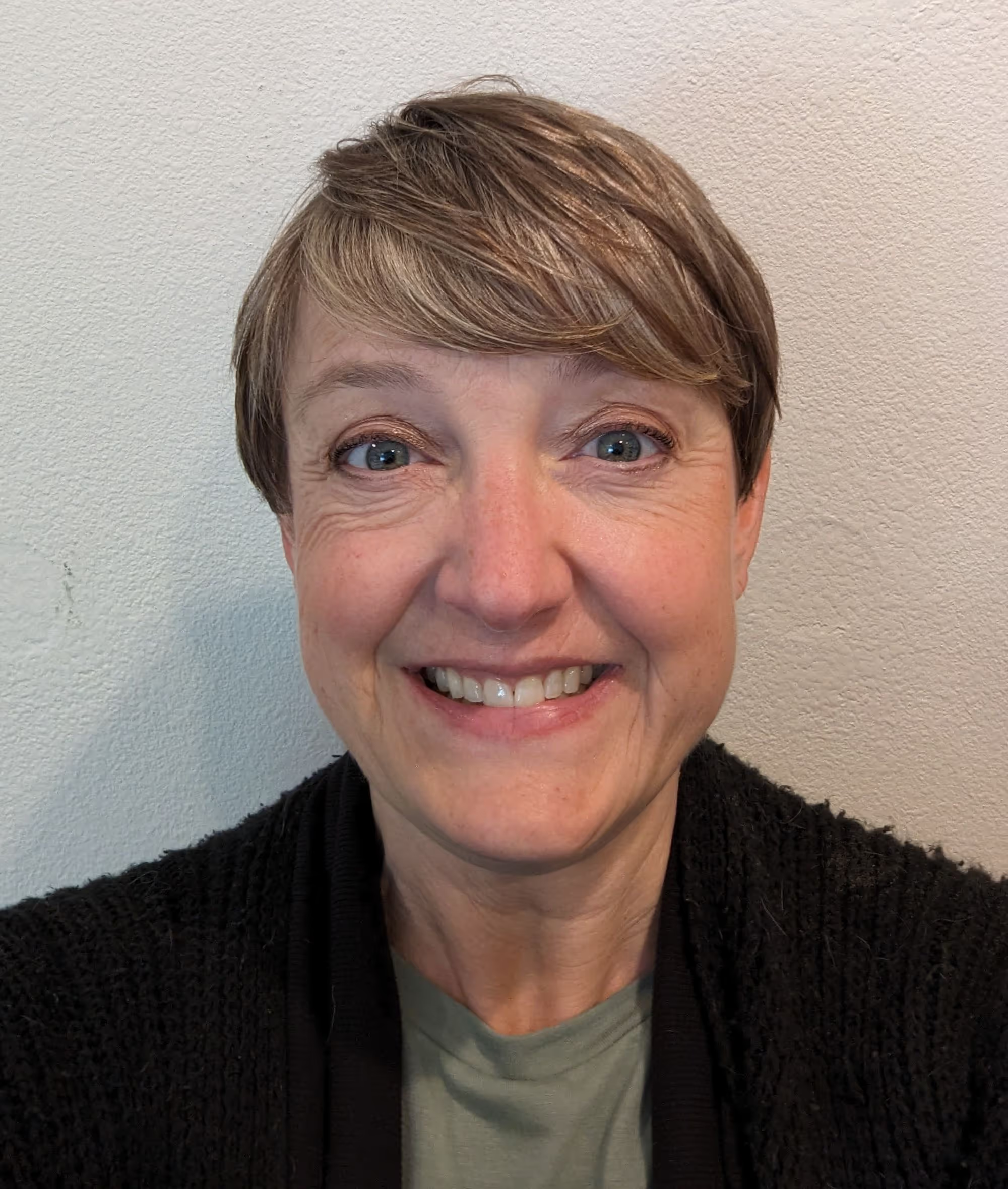
Allison Batty-Capps is a consciousness catalyst, spiritual teacher, and transmitter of Divine Human embodiment. She is a licensed mental health therapist, Reiki Master, Yoga Coach and spiritual channeler. She works at the intersection of psychology, mysticism, shadow alchemy, and God-consciousness, offering teachings that unify the human and the divine.
Her work is not about healing people — it is about awakening them.
Her presence carries a frequency that reminds others of their inherent sovereignty, their inner wisdom, and their direct connection to the Divine.
Through her books, teachings, sessions, and transmissions, Allison guides people into the maturity of spiritual adulthood — where compassion meets boundaries, love meets truth, and the soul meets the body.
She is devoted to helping humanity evolve beyond fear, beyond hierarchy, and beyond old paradigms of spirituality into a new era of embodied consciousness.
Allison lives what she teaches.
Her life reveals what unfolds when a person remembers they are not alone or separate, but a wave formed from the infinite ocean of God’s consciousness.
Join the Community!
Receive wellness tips, resources, book updates, and more directly in your inbox!
Related Posts
The Myth of Consent
What If Our Political Divisions Reflect Our Unhealed Relationship Patterns?