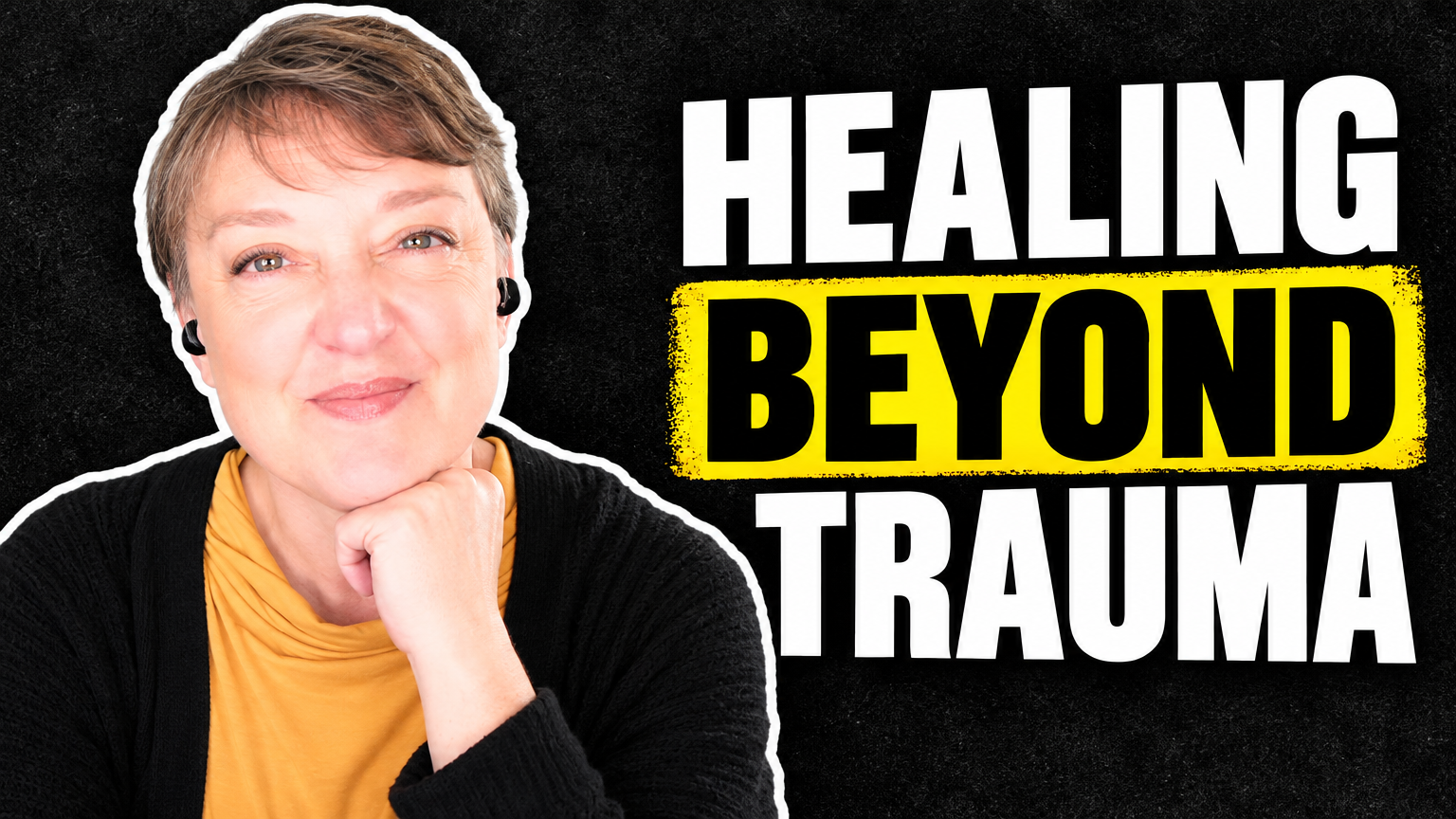
Healing Doesn't Mean Becoming Someone New
By Allison Batty-Capps, LMFT | Founder of Blossoming Heart Wellness | Author of The Divine Within: Healing Ourselves to Heal the World
What if healing isn't about becoming someone new, but developing a different relationship with who you've become?
When we talk about trauma healing, we often hear about letting go of old patterns, releasing survival responses, and becoming our authentic selves. These can be meaningful parts of healing, but I've come to recognize something important through my own journey.
There was no version of me untouched by trauma that I could simply return to.
My identity developed alongside my experiences. The ways I learned to understand people, communicate, express compassion, and navigate relationships were shaped by both my natural capacities and the environments in which I grew up.
And perhaps the most meaningful realization has been that I don't have to reject the person I became to heal from what happened to me.
Instead, I can begin recognizing when my qualities are being expressed through fear, obligation, or survival adaptations and when they are being expressed through curiosity, compassion, discernment, and conscious choice.
That distinction has fundamentally changed how I understand healing.
When Our Strengths Become Organized Around Survival
Trauma doesn't necessarily create an entirely different personality. Sometimes it influences how our existing qualities and capacities are expressed.
For example, someone who is naturally analytical may become especially attentive to patterns in other people's behavior when growing up in an unpredictable environment.
Someone who values communication may learn to carefully choose every word to avoid conflict or rejection.
Someone who experiences deep compassion may begin assuming responsibility for other people's emotional experiences because maintaining connection once depended on keeping others comfortable.
These adaptations can become automatic.
From a psychological perspective, repeated experiences of threat or relational uncertainty can influence our nervous system, attention, emotional regulation, and expectations of relationships.
Our brains learn from experience. When particular behaviors help us navigate difficult environments, those behaviors may become familiar responses, even when our circumstances change.
But these adaptations aren't necessarily evidence that something is wrong with us.
They may reflect meaningful capacities that became organized around the need for safety.
Healing doesn't always require eliminating those capacities. Sometimes it involves developing greater flexibility in how we use them.
From Hypervigilance to Curiosity: Changing My Relationship With Analysis
For much of my life, I have been analytical.
I've always been fascinated by human behavior, psychology, relationships, and the patterns that influence how people understand themselves and others.
But as I explored my childhood trauma, I began recognizing that analysis sometimes served another purpose.
I wasn't always trying to understand someone because I was curious.
Sometimes I was trying to understand because uncertainty felt unsafe.
If I could recognize someone's patterns, anticipate their reactions, or understand why they behaved a certain way, perhaps I could prevent conflict, rejection, or emotional harm.
Analysis became one way of trying to create safety through understanding.
And I could spend hours examining conversations, looking for explanations, and trying to make sense of behavior that felt confusing or contradictory.
Today, I still analyze behavior.
I still recognize patterns, explore psychological concepts, and value evidence and discernment.
But increasingly, I'm recognizing that I can engage these qualities because I genuinely enjoy understanding how people think.
I don't have to understand everything to be safe.
I can recognize a pattern without assuming responsibility for changing it.
I can be curious about someone's behavior without needing to resolve every contradiction.
And I can accept that sometimes people will behave in ways I don't understand.
The capacity remains. My relationship with that capacity is changing.
From People-Pleasing to Authentic Communication
Another important realization has involved communication.
I've spent much of my life trying to communicate thoughtfully, compassionately, and effectively.
I wanted people to understand my perspective, recognize my intentions, and engage in mutual understanding.
Those values remain important to me.
But I began recognizing that sometimes my efforts to communicate weren't simply about expressing myself.
They were about trying to find the perfect words that might finally make someone willing to understand.
I could revise messages repeatedly, explain my perspective from different angles, or spend considerable emotional energy trying to prevent someone from misunderstanding me.
Underneath those efforts was sometimes a belief that if I communicated well enough, I could create connection.
But relationships require more than one person's communication skills.
Mutual understanding depends on the willingness and capacity of everyone involved to listen, reflect, and consider perspectives beyond their own.
No amount of thoughtful communication can guarantee another person's participation.
Today, I'm learning that I can communicate honestly, respectfully, and compassionately without assuming responsibility for the outcome.
I can express my needs without endlessly defending their legitimacy.
I can invite mutual understanding without trying to manufacture it.
And when someone is unwilling or unable to participate in a reciprocal relationship, I can decide how much energy I want to continue investing.
Healthy communication isn't about finding the perfect words to make someone understand. It's about expressing ourselves authentically while recognizing that mutual understanding requires mutual participation.
From Self-Sacrifice to Compassion With Boundaries
Compassion has always been central to how I understand myself and the world.
As a psychotherapist, wellness coach, and spiritual mentor, I have spent years exploring how trauma, shame, fear, and learned coping strategies influence human behavior.
I can often recognize how someone's experiences may contribute to their reactions.
And I genuinely care about understanding people without reducing them to their most difficult behaviors.
But I have also come to recognize that compassion can become entangled with over-responsibility.
Understanding someone's trauma doesn't mean I am responsible for healing it.
Recognizing someone's fear doesn't mean I must accommodate every behavior that fear produces.
And having compassion for someone's suffering doesn't mean I must remain in a relationship that repeatedly causes harm.
This has been one of the most meaningful shifts in my healing journey.
I haven't become less compassionate.
I've become more discerning about how I express compassion and where my responsibilities begin and end.
I can care about someone and still establish a boundary.
I can understand why someone behaves in a particular way without accepting that behavior.
I can recognize another person's humanity while acknowledging that a relationship may no longer be healthy for me.
Compassion and boundaries aren't opposites. Healthy compassion includes respect for our own humanity, needs, and well-being.
The Neuroscience of Healing: From Automatic Responses to Greater Flexibility
One of the most encouraging aspects of trauma recovery is our capacity for neuroplasticity.
Neuroplasticity refers to the brain's ability to change through experience, learning, and repeated practice.
Our nervous systems continuously respond to information about safety, threat, relationships, and our environment.
When we experience prolonged or repeated stress, certain responses may become more readily activated.
We might automatically analyze another person's mood, anticipate rejection, avoid conflict, or prioritize someone else's emotional comfort.
These responses can occur before we've consciously considered what we want to do.
Trauma-informed approaches to healing can help us recognize these patterns, develop emotional regulation skills, and gradually expand our capacity to respond with greater flexibility.
This doesn't mean every survival response disappears.
Nor does it mean that consciously choosing a different response is always possible in every moment.
Our nervous systems are influenced by stress, fatigue, physical health, environmental demands, and the resources available to us.
But with awareness, supportive relationships, appropriate therapeutic approaches, and practice, we may develop more opportunities to notice our responses and consider alternatives.
In psychology, this relates to concepts such as emotional regulation, cognitive flexibility, psychological flexibility, and integration.
Instead of responding automatically to every familiar trigger, we may increasingly recognize what is happening internally and decide how we want to respond.
For me, this is one of the most meaningful aspects of healing.
The goal isn't to eliminate every survival adaptation. It's to expand our freedom to respond in ways that reflect our present circumstances, needs, and values.
Healing Through Awareness Rather Than Self-Judgment
One way I've been exploring this process is by asking myself different questions.
When I notice myself analyzing someone's behavior, I might ask:
Am I exploring this because I'm genuinely curious, or because uncertainty feels intolerable?
When I find myself carefully explaining my perspective:
Am I communicating because I want to share something meaningful, or because I feel responsible for making another person understand?
When I feel compelled to help someone:
Am I offering compassion freely, or because I'm afraid of what might happen if I establish a boundary?
These questions aren't invitations to criticize ourselves.
And the answers aren't always either-or.
We can experience curiosity and anxiety simultaneously. We can genuinely care about someone while also fearing rejection. Our motivations are often complex.
The purpose of these reflections is to increase awareness.
When we begin recognizing the different motivations underlying our behavior, we may discover choices that previously felt unavailable.
We can decide whether a particular response reflects what we genuinely want or whether it is an old adaptation that no longer serves us.
And when we notice ourselves returning to an old pattern, we can respond with compassion rather than shame.
Healing isn't measured by never experiencing a survival response again.
Sometimes healing is recognizing the response sooner, understanding it more deeply, and offering ourselves another possibility.
Who Am I Beyond the Pain?
This brings me back to a question I've been exploring throughout my personal and professional journey:
Who am I beyond the pain?
For a long time, healing can become focused on understanding what happened to us.
We explore our histories, identify patterns, process difficult emotions, and begin recognizing how our experiences shaped our beliefs and relationships.
That work can be essential.
But eventually, another question may emerge.
Not simply, How did my experiences shape me?
But, How do I want to live now that I understand myself more deeply?
For me, this question has opened a different understanding of identity.
There is no imaginary version of myself who existed independently of everything I've experienced.
My personality, values, interests, relationships, and ways of understanding the world developed throughout my life.
Some qualities may have been strengthened through adversity. Others may have been constrained by it. Some may reflect natural characteristics that existed alongside my experiences.
I don't need to determine precisely which parts of myself came from trauma and which parts would have existed without it.
And I don't need to glorify my suffering to appreciate the qualities I have today.
Trauma was not a gift. But healing can help us reclaim greater freedom in how we express the qualities we developed throughout our lives.
I can remain analytical without feeling responsible for understanding everything.
I can remain thoughtful without trying to communicate perfectly.
I can remain compassionate without sacrificing my boundaries.
And I can continue growing without believing that who I was before was somehow inadequate.
Healing Is About Integration, Not Rejection
In my book, The Divine Within: Healing Ourselves to Heal the World, I explore healing through compassion, awareness, self-understanding, and conscious choice.
One of the central themes of my work is that healing doesn't require us to reject ourselves.
We don't have to divide our identity into acceptable and unacceptable parts.
We don't have to shame the coping strategies that helped us navigate difficult experiences.
And we don't have to become entirely different people to create healthier relationships with ourselves and others.
Instead, we can begin understanding our adaptations within the context of our experiences.
We can appreciate the ways we learned to survive while recognizing that some of those strategies may no longer support the lives we want to create.
We can develop greater awareness of our needs, values, and boundaries.
And we can gradually create space for choices that reflect who we want to be today.
This is not about achieving a permanent state of healing in which fear, pain, or old patterns never arise.
It's about developing a more compassionate and flexible relationship with ourselves.
Sometimes we'll respond from fear.
Sometimes we'll recognize an old pattern only after we've acted on it.
And sometimes we'll make a conscious choice that reflects how much we've grown.
All of these experiences can be part of healing.
You Don't Have to Become Someone Else to Heal
If you've spent years trying to understand your trauma, change your coping strategies, or become a healthier version of yourself, I invite you to consider another possibility.
What if some of the qualities you've been trying to change don't need to disappear?
What if your sensitivity, thoughtfulness, analytical mind, compassion, or desire for connection can remain meaningful parts of who you are?
What if healing involves learning to express those qualities in ways that honor your needs and values rather than automatically responding to fear?
You don't have to reject the person you became to survive.
You don't have to find an untouched version of yourself hidden somewhere beneath your experiences.
And you don't have to become someone entirely new.
Healing can mean understanding who you've become, developing compassion for how you got here, and discovering that you have more choice in who you continue becoming.
The qualities may remain.
But increasingly, the choice can become yours.
Continue Your Healing Journey
I'm Allison Batty-Capps, a Licensed Marriage and Family Therapist, founder of Blossoming Heart Wellness, and author of The Divine Within: Healing Ourselves to Heal the World.
Through psychotherapy, wellness coaching, and spiritual mentorship, I support individuals exploring trauma recovery, self-discovery, emotional well-being, healthy boundaries, and personal growth.
I am licensed to provide psychotherapy in Pennsylvania, Oregon, and Connecticut.
If you're exploring who you are beyond your trauma and how to develop a more compassionate, conscious relationship with yourself, I invite you to learn more about my work.
Visit Blossoming Heart Wellness to explore individual services and resources.
You can also explore these themes more deeply in my book, The Divine Within: Healing Ourselves to Heal the World.
Healing doesn't mean becoming someone new. It means discovering greater freedom to be yourself.
Sending you deep love,
Allison
About The Author
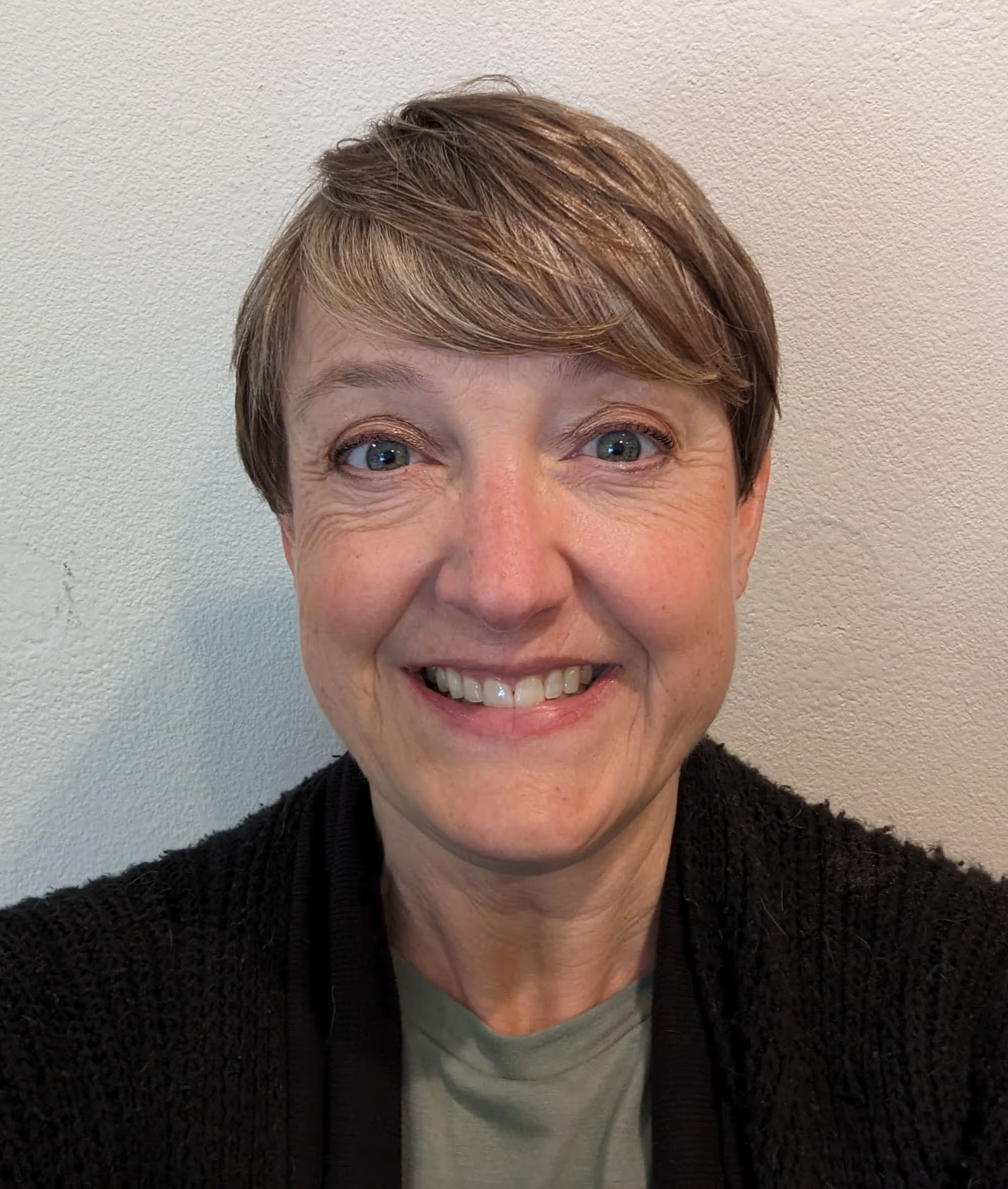
Allison Batty-Capps is a consciousness catalyst, spiritual teacher, and transmitter of Divine Human embodiment. She is a licensed mental health therapist, Reiki Master, Yoga Coach and spiritual channeler. She works at the intersection of psychology, mysticism, shadow alchemy, and God-consciousness, offering teachings that unify the human and the divine.
Her work is not about healing people — it is about awakening them.
Her presence carries a frequency that reminds others of their inherent sovereignty, their inner wisdom, and their direct connection to the Divine.
Through her books, teachings, sessions, and transmissions, Allison guides people into the maturity of spiritual adulthood — where compassion meets boundaries, love meets truth, and the soul meets the body.
She is devoted to helping humanity evolve beyond fear, beyond hierarchy, and beyond old paradigms of spirituality into a new era of embodied consciousness.
Allison lives what she teaches.
Her life reveals what unfolds when a person remembers they are not alone or separate, but a wave formed from the infinite ocean of God’s consciousness.
Join the Community!
Receive wellness tips, resources, book updates, and more directly in your inbox!
Related Posts
When Telling a Parent They Hurt You Becomes Your Job to Comfort Them
Who Am I Beyond the Pain?